
After U.S. and Israeli strikes on Iran, the Iranian regime is targeting oil, gas, and transportation infrastructure across the Gulf. Here are the five things to keep an eye on in the days ahead.
Iranian strikes on oil infrastructure
It has been confirmed that Iran has hit Qatari and Saudi production sites. As a result, QatarEnergy, one of the largest LNG exporters in the world has halted production. Natural gas prices are now soaring. Meanwhile, Aramco’s Ras Tanura oil refinery in Saudi Arabia has had a fire break out after it was hit by a drone. Expect energy prices to keep rising as tensions increase.
Targeting of embassies and travelers
A drone struck the U.S. Consulate in Dubai, resulting in limited fire. The State Department is urging Americans to leave the Middle East immediately. Furthermore, U.S. embassies in Saudi Arabia, Lebanon, and Kuwait are closing indefinitely.
Airports in Bahrain, Dubai, Abu Dhabi, and Kuwait have been hit by Iranian strikes. High-rises and hotels in Bahrain and Dubai have also been hit. This is the biggest disruption to global air travel since the COVID pandemic.
As civilian infrastructure is hit, and expats leave, a downturn in energy production, and related industries will suffer.
“The Strait of Hormuz is closed”
Iranian Brigadier General Ebrahim Jabbari said the Strait is closed and that any ship that would attempt to pass through it would be attacked. The Strait is key to global commerce. 20% of the world’s oil passes through the Strait. This disruption will keep oil prices high.
Major shipping firms suspend operations
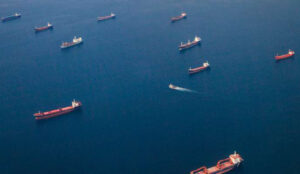
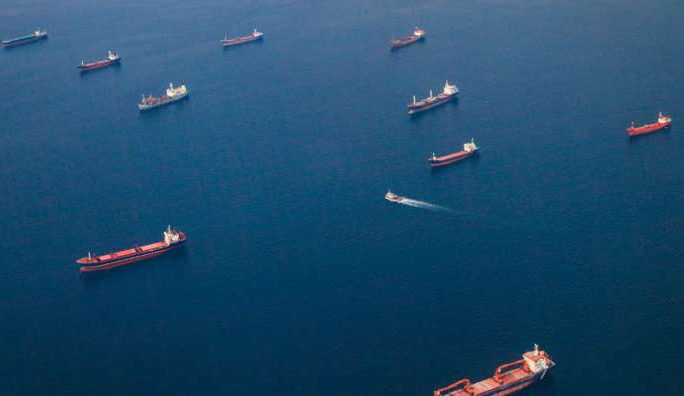
Maersk, the world’s largest shipping company, has suspended operations in the Strait of Hormuz until further notice. 3,200 ships, approximately 4% of global ship tonnage is currently inside the Persian Gulf and unable to move. Notably, that includes around 1,230 ships that only operate in the Gulf.
President Trump has recently said that the United States will offer “political risk insurance and guarantees” for energy tankers.
Rising inflation and energy prices
Slowing growth in energy-importing countries will contribute to a rise in inflation. Furthermore, oil is now at over $80 per barrel. European markets in particular are bracing for much higher energy costs as this conflict continues.