As the U.S.-Iran conflict drives up the cost of oil, prices for food are going up too, and there are concerns that they won’t be coming back down after the war.
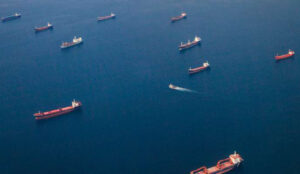
Analysts say the historic drops in global oil supplies mean oil prices will stay high even after tankers start moving freely through the Strait of Hormuz, but there are expectations that those prices will drop once oil reserves are stocked again. When it comes to food, the higher prices could be much stickier, according to analysts.
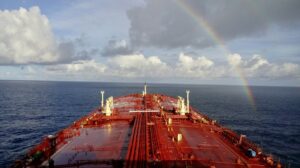
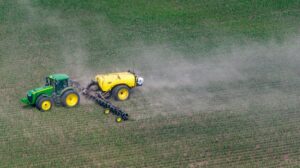
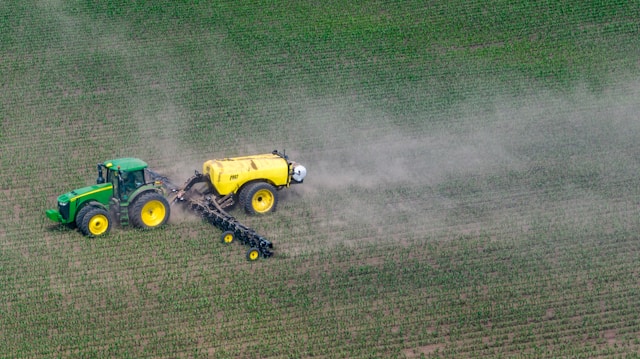
Upward pressures on food prices include the challenges of costlier fuel for shipping, and altered supply chains. Perhaps the biggest driver of food prices from the war is the higher cost of fertilizer, which predominantly comes from fossil fuels, is produced in the Middle East, and is shipped through the Strait of Hormuz.
“Up to 30% of fertilizer exports transited through this narrow strip of water – along with sulfur, essential for phosphate fertilizer production. The blockade has severely disrupted global fertilizer supply chains just as planting seasons advance across both hemispheres,” according a May 28 report by the World Economic Forum.
The UN Food and Agriculture Organization (FAO) was already warning in April that the impact of rapidly rising fertilizer prices would be felt without quick action, as farmers pinched by higher input costs would be forced to plant less. The World Food Program (WFP) put numbers to the threat:
“New analysis by WFP estimates that almost 45 million more people could fall into acute food insecurity or worse (known as IPC3+) if the conflict does not end by the middle of the year,” WFP said.
Quick to rise, slow to fall
Food prices are rising, with the U.S. Department of Agriculture reporting a 3.2% year-on-year increase in the Consumer Price Index for all food in April. The fear is that, even if the fertilizer and fuel supplies normalize by next year, there may be limited impact on food prices, which can rise quickly but tend to be slow to fall.
“Food prices shoot up like rockets but drift down like feathers,” according to a report released May 26 by the Energy & Climate Intelligence Unit. “This analysis of more than thirty years of UK food price data points to a clear structural pattern: food prices rise rapidly during shocks but reverse only slowly and partially afterwards.”
With the Trump Administration’s June 2 announcement of potential new tariffs threating further supply chain disruptions and price increases, and with no clear indication of the timeline for ending the Iran war, we can anticipate continued pressure pushing food prices up. What’s harder to anticipate is when, if ever, those prices might come down.