
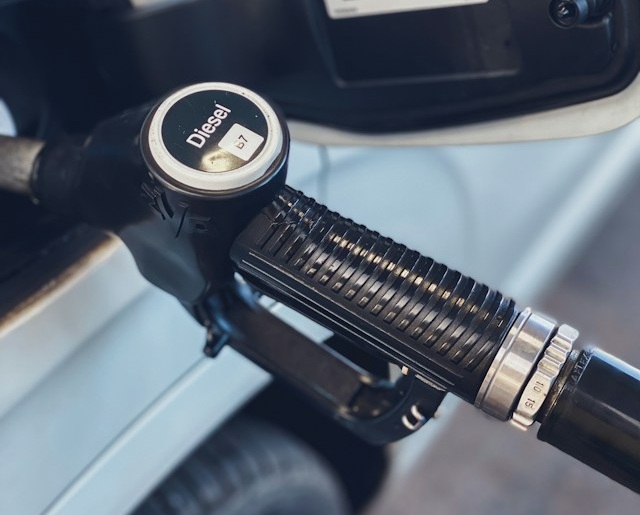
The International Energy Agency (IEA) announced Oct. 15 it would seek to stabilize diesel prices with release of 20 million barrels from the emergency reserve stocks of member countries.
The amount was lower than U.S. President Trump and the market had anticipated, but the continuing releases of reserve stocks have left emergency fuel reserves perilously low, according to some reports.
The Governing Board of the 32-country IEA agreed on Oct. 15 to accelerate the release of 400 million barrels of oil that had been agreed to in March, and to release the additional 20 million barrels of diesel, IEA said. There was no time frame set for the additional diesel release.
The March agreement was the largest-ever release of reserves agreed to by IEA countries, which includes 22 European countries, North America, Australia, Japan, New Zealand, South Korea, and Turkey.
So far, IEA members have released 330 million barrels, and they are expected to exceed the 400 million agreed to, IEA said on Oct. 15.
The new agreement to release 20 million barrels of diesel was less than what had been discussed in a French proposal for the release of 50 million barrels of diesel alongside 50 million barrels of crude from IEA members, reported by Reuters on Oct. 2.
The Oct. 15 agreement comes after pressure from President Trump who had been hoping to reduce diesel prices before U.S. midterm elections.
IEA Executive Director Fatih Birol had also called for decisive action on diesel fuels on Oct. 11 “As we did in March, I believe we can once again demonstrate the IEA’s capacity to act together in support of energy security and economic stability,” he said.
Reserve stocks are low
While the diesel release is less than President Trump had urged, there are concerns that oil reserves are already dangerously low. More than 1 billion barrels have been released worldwide since the start of the war in Iran and “the system is already straining,” Amin Nasser, CEO of Saudi Arabia’s oil company told the Energy Intelligence Forum in London on Oct. 6, Reuters reported.
As of the start of October, the U.S. strategic reserve stood at 331.2 million barrels, the lowest since 1983, close to the operational minimum of 250-300 million barrels, Oilprice.com reported.
“Letting oil levels fall near the operational minimum is dangerous because this begins to affect the storage infrastructure, and not in a good way,” said Oilprice.com, noting that replenishing drained inventories could take up to two years and would not be possible until the Strait of Hormuz reopens. “While the world waits for that to happen, it is draining its inventories, exposing itself to much more severe supply shocks if the war drags on into 2027.”